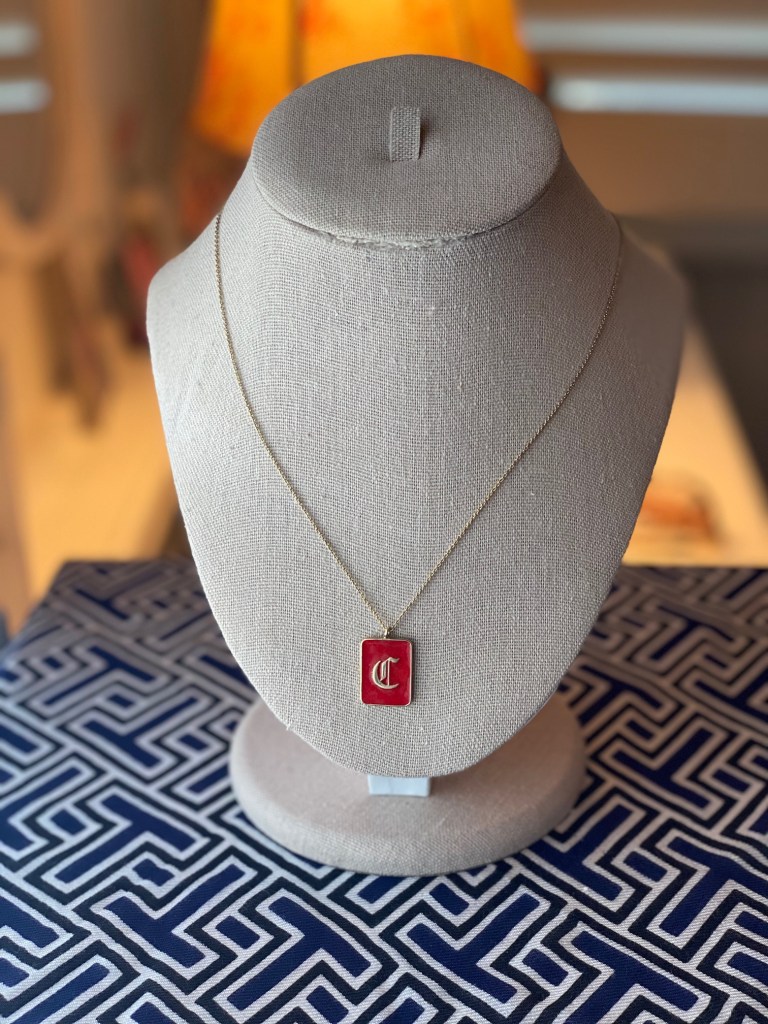
My initials spell C.A.T., which is also my nickname. My parents, sister, husband, and some friends call me “Cat” to this day. My grandmother (bless her) even thought my name was Catherine at one point. Coincidentally, the first letters of the first names of my immediate family members spell “CATS”: Caroline, Andy, Theo, and Sloane. And despite all this, I’m a dog person!
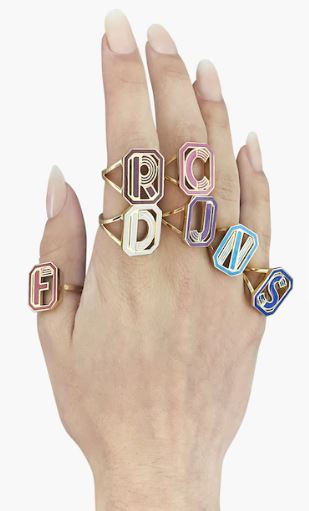
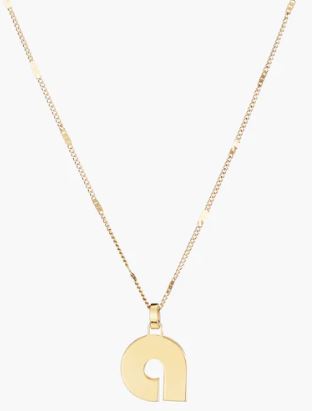
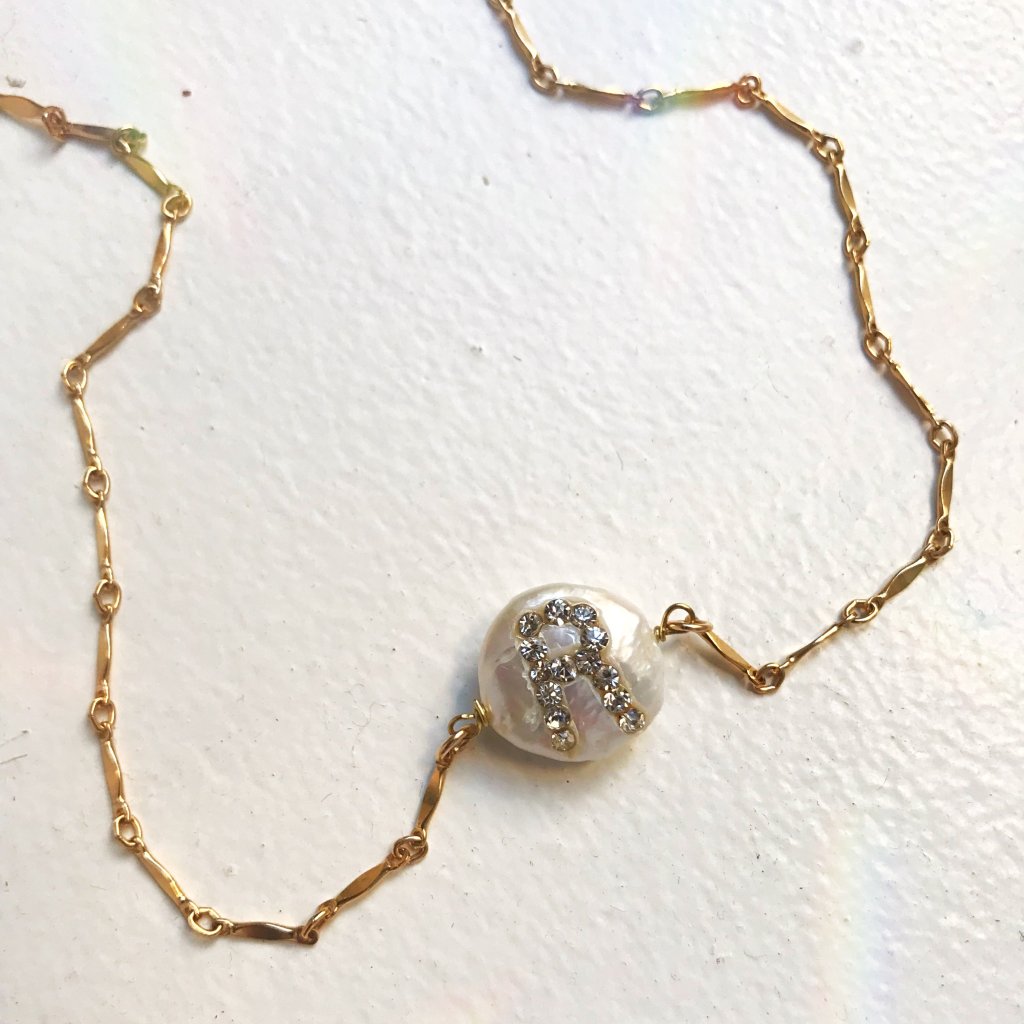
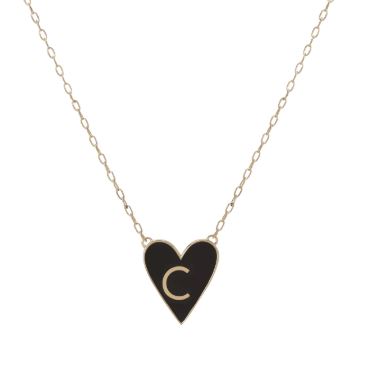
Why am I telling you this? Because today we’re talking about: initial jewelry.
I find personalized jewelry so charming. Wearing my own initials feels coy and oddly collegiate–like I’m in a sorority of one. Wearing my loved ones’ initials feels sentimental and romantic, like I’m carrying them with me.
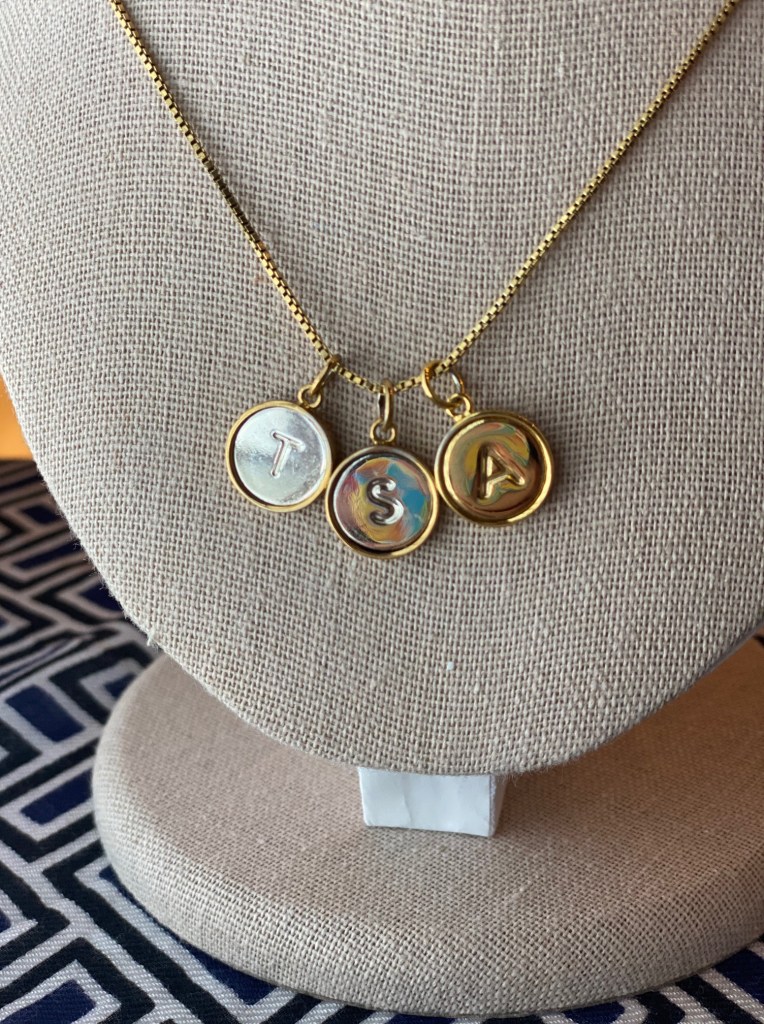
I purchased this stamped charm necklace featuring my husband’s and kids’ initials from the mega source for initial and monogrammed goodies, Mark & Graham:
You might have noticed that the “A” charm is gold while the other two are silver. That’s because this was originally supposed to be a necklace for only my kids’ initials. But when my husband caught wind that he had been omitted, he was hurt. So to appease him, I bought him a special golden “A” charm. Now people regularly ask me about my three kids…
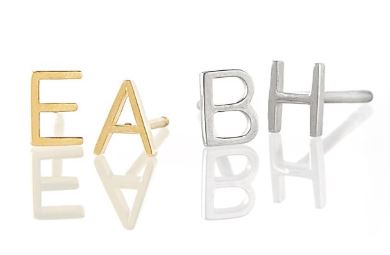
Mark & Graham has so many other great initial options, like these:
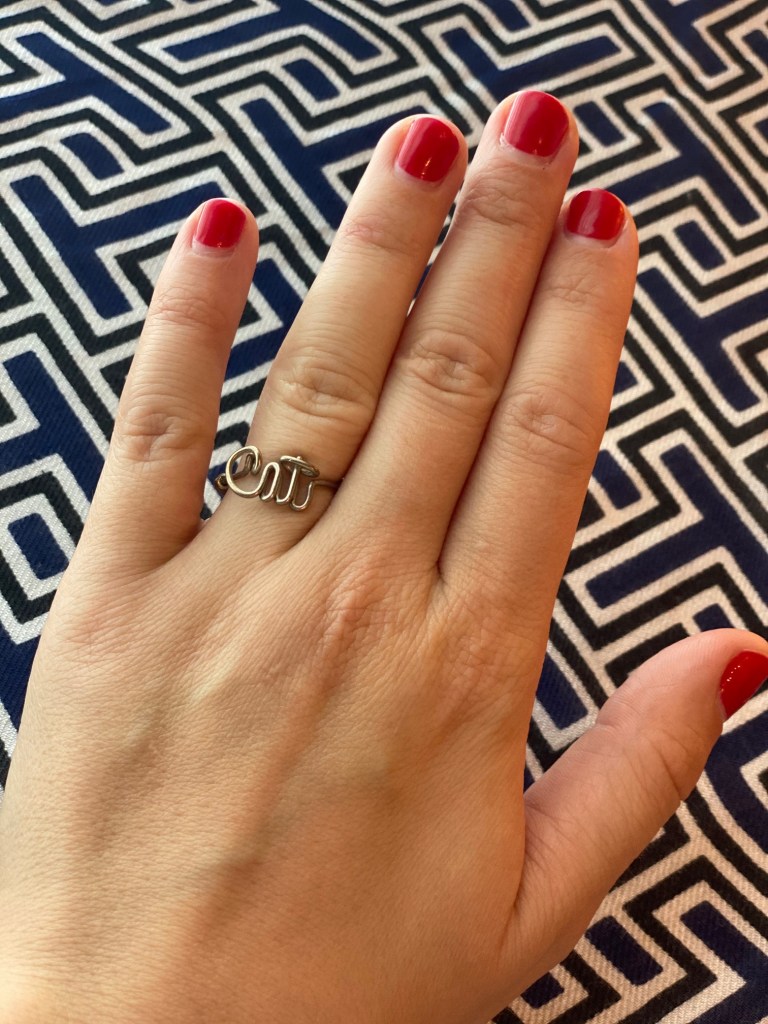
This ring dates back to my elementary school days. I vaguely remember buying it at a kiosk on Navy Pier where they twisted wire to spell your name:
I’ve saved it all these years because it’s still cute, it still fits, and my name is still Cat. For similar items that don’t require a trip to Chicago, see here and here.
Finally, I got these enamel initial pins at Gap approximately 100 years ago. I like to pin them on a jean jacket or canvas bag for a whimsical touch:
These silly Monogram Pins from Anthropologie achieve a similar playful vibe (they’re filed under “Kids & Babies” but I don’t subscribe to those labels):
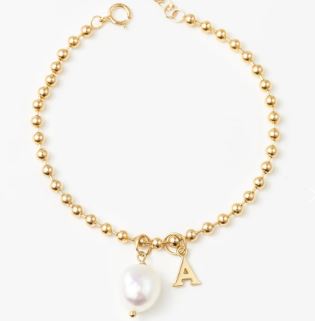
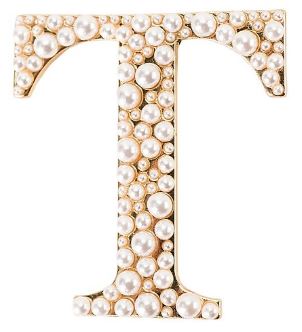
As with all things, the Internet holds a veritable ton of options for initial jewelry for you to explore. Here are just a handful of pieces that I’ve been eyeing lately:
Today marks my five-year wedding anniversary (though my husband, Andy, and I dated for fifteen years before making it official)! In researching a fitting topic for this post, I was disappointed to learn that the traditional anniversary gift for our significant milestone is…wood. Not the most romantic material.
But then I glanced over at my bookshelf and saw these wooden reminders of our wedding day–a pair of pine cones from the woods outside my family’s log cabin, decorated with sketches of me and Andy on our wedding day, as drawn by my sister (Lauren) and her now-husband (David):
Andy and I didn’t have a traditional wedding. On September 3, 2015, we got married in the chambers of a judge I had worked for during law school, with only our immediate families present. Later we had two separate parties: one for my more extended family at the cabin over Labor Day weekend, and another bigger dinner party in Chicago for all our family and friends in October. I don’t know what motivated Lauren and David to make these kooky pine-cone portraits, but I love how they embody the unique hybrid nature of our extended wedding celebrations.
My parents also have a quirky wedding trinket that a friend gave them when they got engaged. This vintage cake topper, which now lives on my mom’s dresser next to her framed family portraits, looks innocent enough from the front:
But it holds a mischievous secret when you turn it around:
So cheeky (pun intended)!
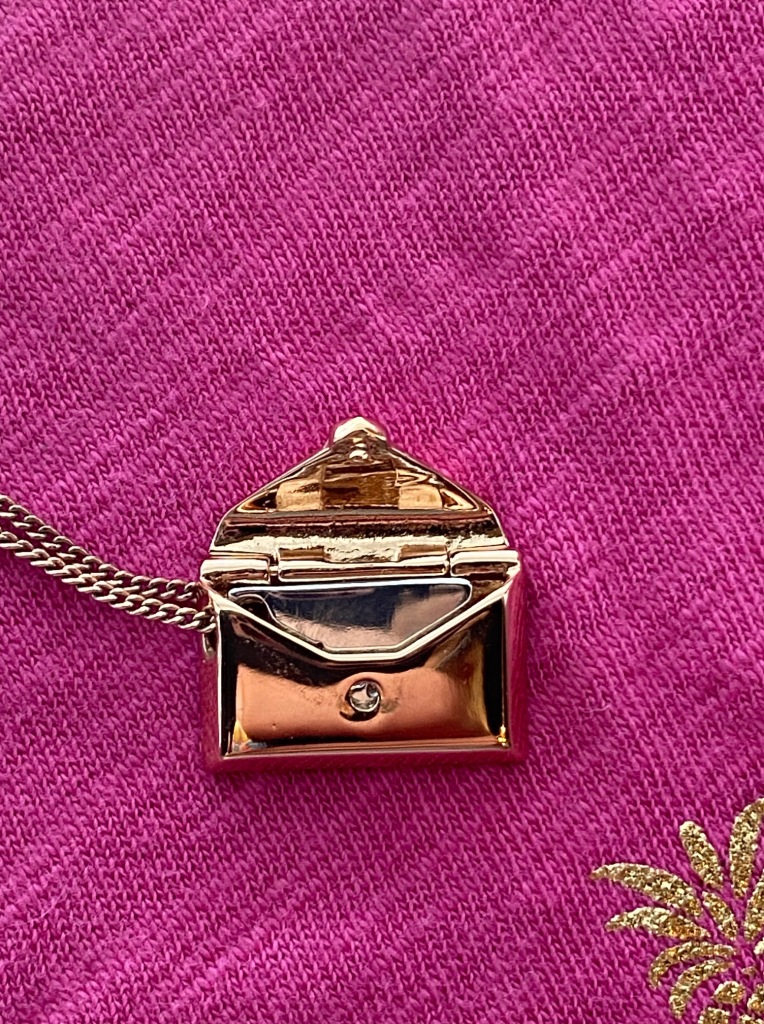
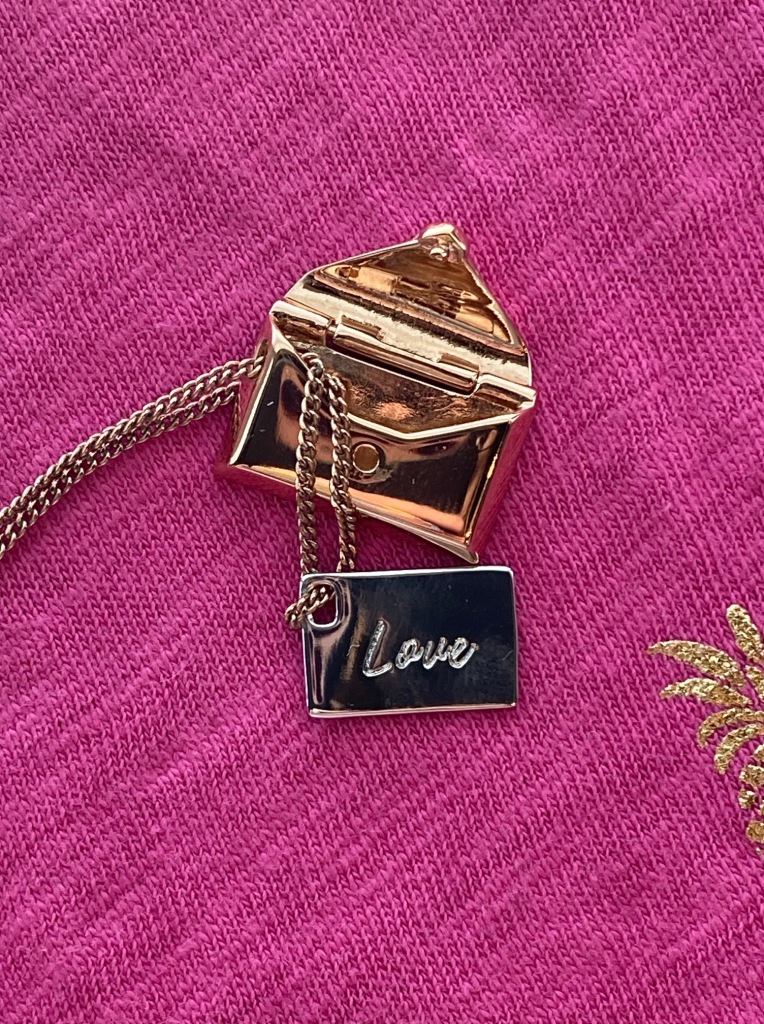
This got me thinking about a necklace of mine that also has a secret (and before you ask, no, there’s no nudity) and happens to be well-suited for an anniversary post. Instead of a traditional locket, it’s a tiny envelope with a literal “Love” note inside:
I purchased this sweet necklace from Capsul, an L.A.-based jewelry company that sells lovely, unique, romantic pieces. I opted for the basic Envelope Locket Necklace with the standard “Love” note ($75), but there is also a version with a note you can customize to feature a loved one’s handwriting or a special date (starting at $170).
Capsul also sells pieces you can have engraved with the sound-wave pattern of a meaningful audio clip (think: a baby’s giggle or your partner saying “I love you”), like this necklace and ring:
Starts at $170.
Starts at $190 for silver, $1465 for gold.
These would make perfect anniversary gifts!
In closing, I wish a Happy Anniversary to my dearest Andy! Five years happily married, twenty years of fun together, two amazing kids, one crazy dog, and two pine-cone portraits. What more can you ask for out of life?
Have you watched the Netflix series “Indian Matchmaking”? If so, you know the central importance of “biodata” to the matchmaking process. (And if you haven’t, you should! Such a thought-provoking show.) Basically, a “biodata” is a dating resume that describes a person’s fundamental qualities, interests, and lifestyle. The matchmaker uses the biodata to determine whether two people are compatible for marriage. Empires rise and fall on biodata!!!
This got me thinking: If jewelry came with biodata, what would it say?
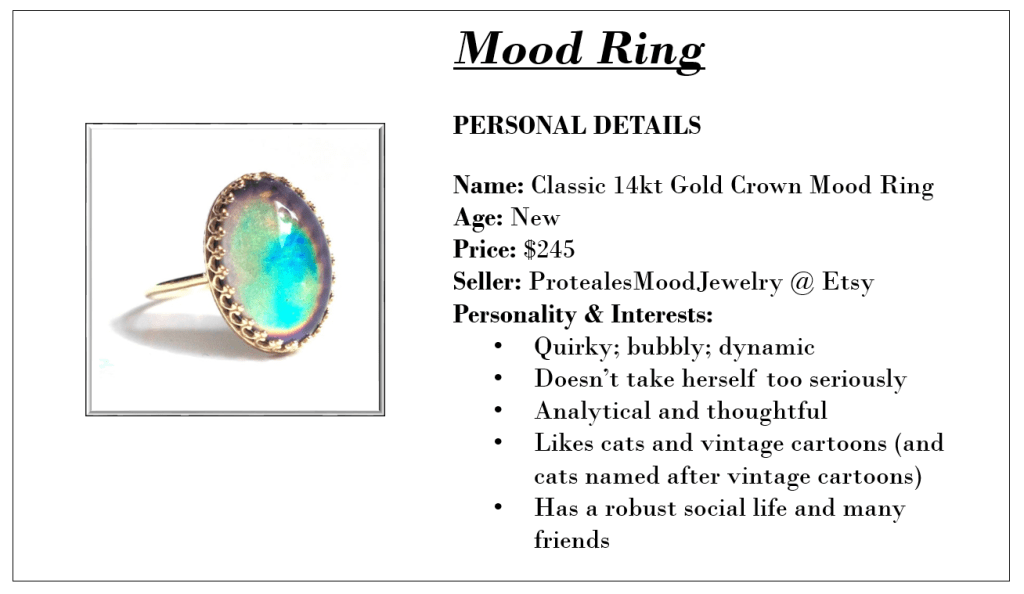
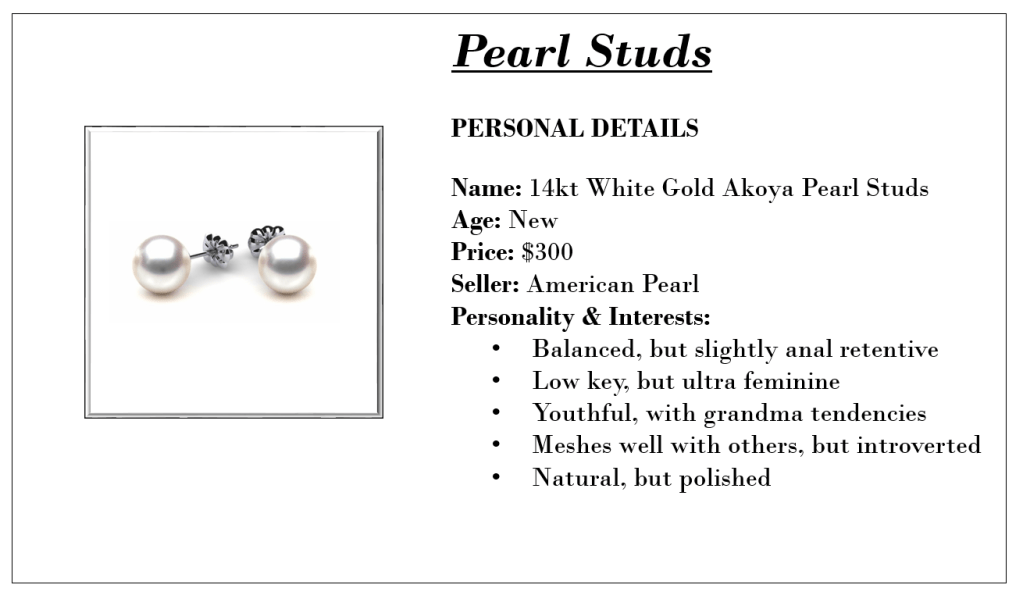
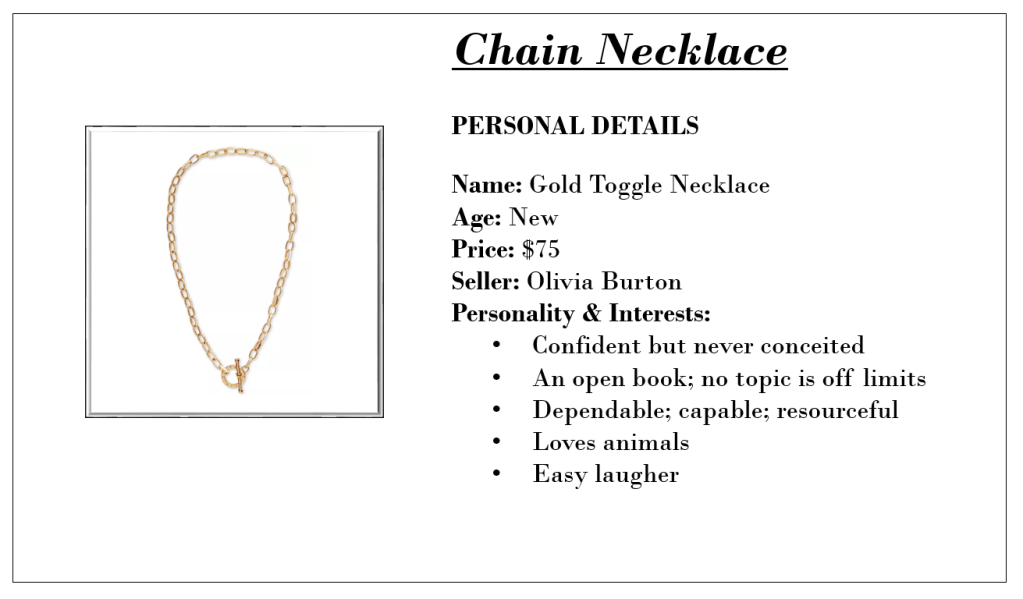
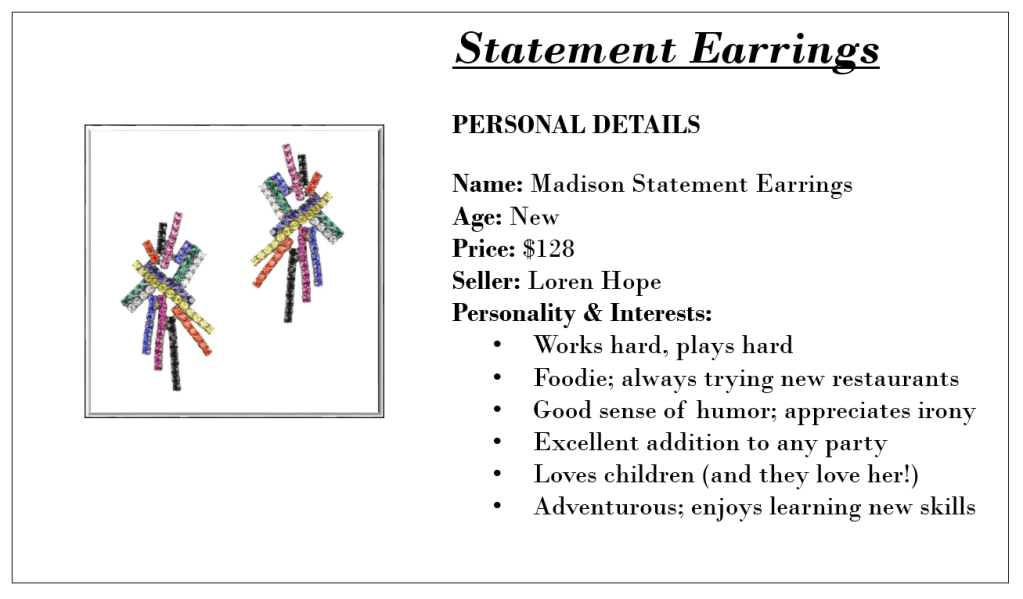
To facilitate this intellectually challenging and high-brow thought experiment, I asked friends and family to identify what type of jewelry best reflects their personality and why. I loved the answers I received from my network. It inspired me to create the imagined biodata below, some of which reflect my friends’ answers (you know who you are :)). Full disclosure: one of the biodatas is my own jewelry alter ego…
[As an aside, to cast a wider net, I also posed this question in several Reddit forums. The one and only answer I got was from user “babybossmafia” who wrote: “mushroom earrings. idk why I just like them.” Certainly not an auspicious start to my research…]
Here goes. If any particular biodata speaks to you, take the plunge!
So what do you think–any love connections here? Don’t fret if nothing suits your fancy. One takeaway from “Indian Matchmaking” is that when one match doesn’t work out, there’s always more biodata to consider.
Why just buy jewelry when you can buy jewelry that supports the greater good? There are many organizations that sell jewelry to promote charitable causes and social-justice missions. Today, I’m highlighting some of my favorites. I hope you’ll consider buying from these companies the next time you treat yourself or buy a gift for a friend!
I only recently discovered this AMAZING online retailer that offers a truly vast collection of gorgeous jewelry at all price points made by a multitude of designers–many of whom I already know and love, and many fabulous ones that are new to me–in addition to clothing, shoes, and home goods. The best part: Olivela gives 20% of the proceeds from every purchase to one of their many charitable partners of your choosing. Going forward, before I buy anything from a name-brand designer, I’m first going to check if it’s available on Olivela, to make an impact whenever possible.
The Giving Keys provides full-time jobs at living wages to people transitioning out of homelessness in Los Angeles. The company’s employees make interesting jewelry with overarching key/lock and empowerment themes:
Serendipitous Project is committed to sustainability and aims to provide “daring and unique” eco-conscious affordable jewelry. “All items from our permanent collection are handmade-to-order to reduce waste. We also sell one-of-a-kind up-cycled accessories and vintage pieces to minimize the impact on the environment.” I love the organic and sea-inspired vibe of their original pieces:
Rebel Nell is an awesome organization that “partner[s] with local organizations to seek out women who have struggled to find and retain employment. We hire these women as Creative Designers, teaching them to craft unique, wearable art from fallen layers of graffiti, while providing services to support them on their way to self-sufficiency.” These pieces are truly works-of-art made from works-of-art:
Same Sky’s mission is to “empower[] women by providing training and employment opportunities. We help women rebuild their lives, reconnect to their creativity, build skills through artistry, and restore confidence.” The organization has provided over 85 women in Rwanda with marketable skills and steady employment making jewelry, and has also provided employment for women who were recently released from prison in the United States. Same Sky’s beaded pieces reflect so much careful and intricate detail work:
Starfish Project is an organization that “helps exploited women and girls experience freedom, establish independence, and develop careers” by teaching them how to make jewelry. The company’s products are affordable, wearable, and trendy:
Wild in Africa is a jewelry company that sells an assortment of beautiful beaded stacking bracelets and donates 50% of the purchase price to animal conservation organizations in 10 African countries.
Passport Ocean is a “socially-minded online ecommerce shop” with a mission “to raise awareness for cleaner seas and help clean up the world’s oceans, prevent the slaughter of their inhabitants and the destruction of their habitats.” They donate 15% of their gross monthly profits directly to Ceta’Sea, a marine conservation charity. Their ocean-themed jewelry is perfect for summer:
From War to Peace sells jewelry and art made of recycled copper from disarmed nuclear weapon systems. The company uses only recycled materials and donates a portion of its profits to organizations committed to social justice and promoting peace.
There is so much beautiful jewelry in the world that has a ton of sparkle without costing a fortune. Gone are the days when your only choices for bling were either expensive diamonds or lackluster rhinestones. Today, you can find gorgeous pieces featuring diamond-like substitutes that quite convincingly replicate the real deal at a wide range of price points.
This post explores the multitude of options and the differences among them. Along the way, I’ll present you with quizzes to test how well you can identify which pieces are made of diamonds vs. a less-expensive substitute. Answers appear at the end (don’t cheat!).
Lab-CreatedDiamonds
Naturally mined diamonds come from within the earth and were formed billions of years ago under conditions of intense heat and pressure. (Read more here.) Lab-created diamonds, on the other hand, have all the same physical and chemical properties of naturally mined diamonds, but are grown in a lab under conditions that replicate the natural diamond growing process.
The biggest advantage of lab-created diamonds is that they cost less than natural diamonds while looking indistinguishable to the naked eye. Don’t be mistaken, though, they are not cheap. According to this site, the capital costs for lab-grown and mined diamonds are similar, but lab-grown diamonds have a shorter supply chain than mined diamonds, which makes them somewhat cheaper.
Another big advantage of lab-created diamonds is that they don’t pose the same ethical concerns as mined diamonds. And because they don’t require mining, they are also kinder on the environment.
Interestingly, lab-created diamonds are graded and certified using the same standards as naturally mined diamonds (i.e., the 4 Cs–cut, clarity, color, and carat). So you can easily compare a lab-created gem with an equivalent naturally mined gem to really see the price differential.
Not everyone is a proponent of lab-created diamonds. According to this article, which was published by the National Diamond Council (so take it for what it’s worth), diamond experts caution that lab-created diamonds will not hold their value over time as they become easier to produce and more widely available. These diamond loyalists also bemoan that lab-created diamonds have “something soulful missing” because unlike mined diamonds, which are “miracles of nature,” they are mass-produced in a lab and lack the deep “historical significance, symbolism, and yes, love.” So if you care about that stuff more than getting sparkly bling at a lower price, lab-created diamonds aren’t for you.
Here are two nearly identical pieces, except one features naturally mined diamonds and costs $36,000, while the other one features lab-created diamonds and costs $1,400:
Moissanite
Moissanite is a mineral that was discovered by Henri Moissan in 1893 when he was analyzing rock samples taken from a meteor crater in Arizona. Moissan initially thought the crystals were diamonds, but later identified them as silicon carbide.
Because natural moissanite is super rare, the moissanite used in jewelry today is lab-created. According to this helpful guide, there are some key differences between diamonds and moissanite, even though they superficially appear quite similar.
Diamonds are the hardest known mineral (with a score of 10 on the Mohs Scale of Hardness), but moissanite is not far behind at 9.25. That makes this mineral suitable for use in engagement rings, which take a lot of knocks through everyday wearing.
Moissannite is actually more brilliant than diamond and emits a “fiery, rainbow flash” in bright light. Some people prefer the more subtle sparkle of diamonds.
Like lab-created diamonds, moissanites are ethically less controversial than naturally mined diamonds and are more eco-conscious. They are also much less expensive than diamonds.
Finally, unlike diamonds, which are graded on the “4 Cs,” moissanites are graded solely based on color. The most expensive moissanites are colorless.
So, think you can tell the difference between moissanite and diamond? Below are two similar pendants, one made with moissanite that costs $600, and the other made from diamonds that costs $6,300:
Cubic Zirconia
If we’re getting technical, cubic zirconia (“CZ”) is the “cubic crystalline form of zirconium dioxide (ZrO2).” It is exclusively manufactured in labs and does not occur in nature. Commercial production of this diamond alternative began in 1976.
Like the other substitutes discussed above, CZ is significantly cheaper than diamonds and, because it is not mined, it is ethically and environmentally more favorable than diamonds. It is also inherently flawless, which can’t be said for most naturally occurring diamonds.
CZ is not a perfect substitute, however. It has a lower hardness than diamond and moissanite (8.5 on the Mohs Scale), meaning it scratches more easily and will show more wear. It also has a lower refractive index and is thus less sparkly than diamonds. CZ will also become cloudy over time and requires regular cleaning to keep its shine. Read more here and here.
All that said, CZ may not be the best choice for an engagement ring (if the other options above are feasible), but it is a fine choice for convincing costume jewelry.
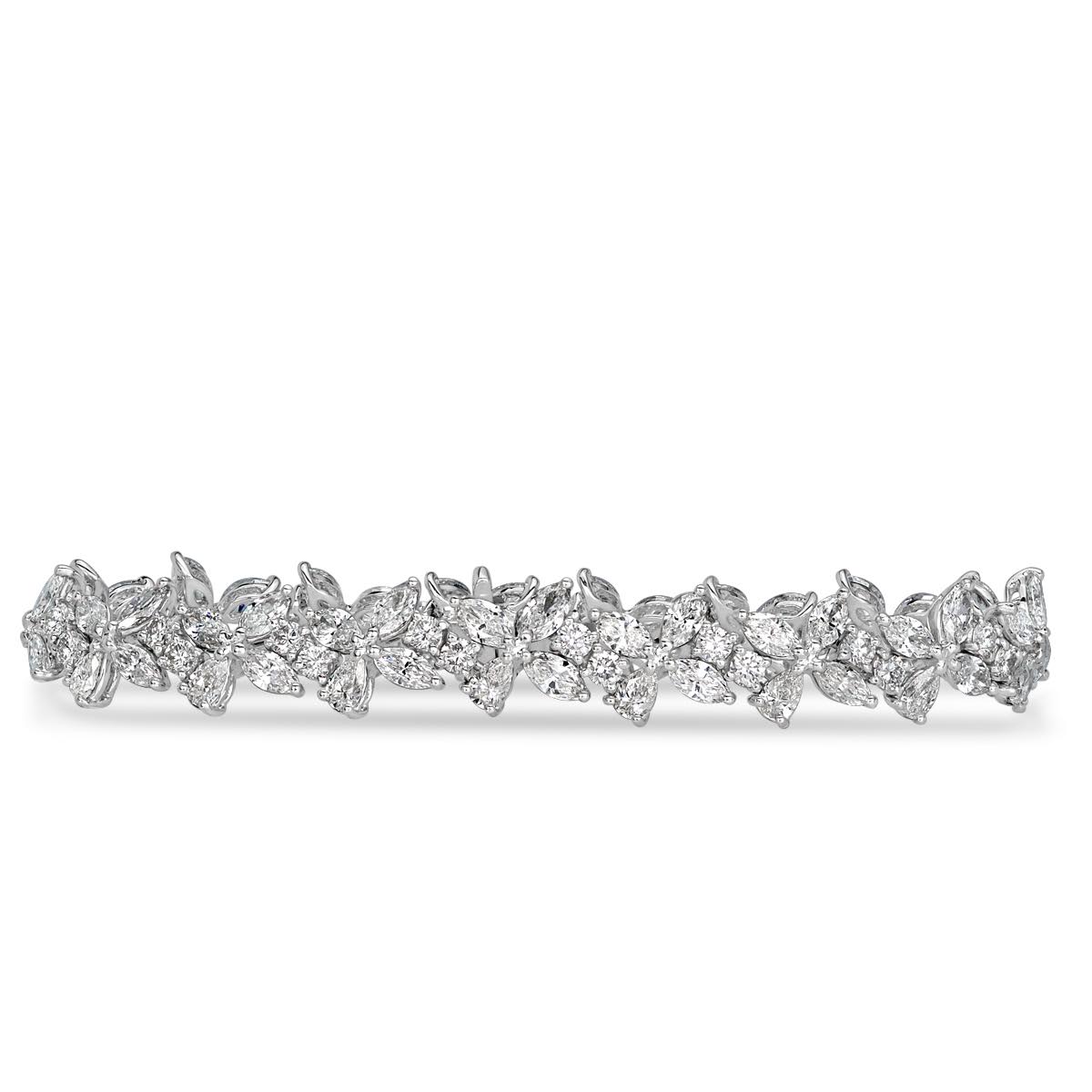
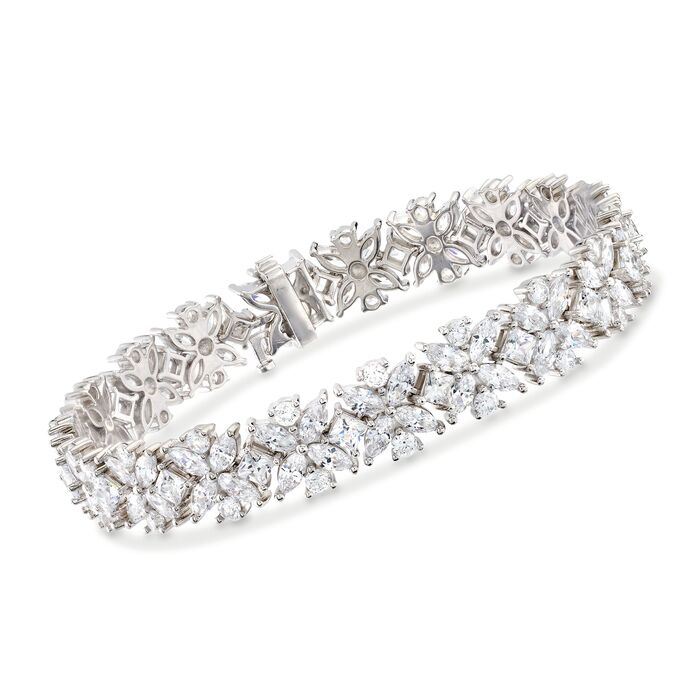
Below are two similar flower bracelets, one made with diamond that costs $20,000, and the other made from CZ that costs $150:
Other Choices
Lab-created diamonds, moissanite, and CZ are certainly the most well-known diamond alternatives, but there are others worth considering:
WhiteSapphire: Sapphire, one of the four precious gemstones (along with diamonds, rubies, and emeralds), comes in several colors, including white. It ranks a 9 on the Mohs Scale, but has a lower refractive index and less sparkle than diamond. It appears more transparent than diamond and requires regular cleaning or else it can look dull. It is much more affordable than diamond. Read more here and here.
White Topaz: Topaz is a commonly found, naturally occurring semi-precious gemstone. It ranks at an 8 on the Mohs Scale, which–because the scale is non-linear–means it is roughly 6-8 times less hard than a diamond. That said, it is more prone to being damaged through regular wear than diamond. Topaz also has a lower refractive index than diamond, making it less sparkly and bright. As you probably predicted by now, topaz is much, much cheaper than diamond–1 carat of high-quality white topaz likely costs around $100, whereas a 1 carat flawless, colorless diamond runs around $15,000. Read more here and here.
Herkimer Diamonds: I only recently learned about Herkimer diamonds and find them very intriguing. These stones aren’t actually diamonds, but rather are a type of quartz crystals that were discovered in and around Herkimer County, New York and the Mohawk River Valley. (Read more here.) They don’t look nearly as convincingly diamond-like as the other substitutes discussed above, and at only 7.5 on the Mohs Scale, they are not durable enough for daily wear. While Herkimer diamonds may contain flaws like air bubbles and black carbon deposits, it is possible to find high-quality, completely clear stones. (Personally, I think the flawed stones are pretty neat–see here and here.) These stones can resemble glass because they lack the brilliance of diamonds. But–you guessed it–they are more affordable than diamonds! Read more here, here, and here.
Long story short, nothing is as hard, perfectly brilliant, or expensive as diamonds. But most of these details are quite technical unless you’re looking specifically for a piece that will last forever with minimal wear and hold its value (e.g., an engagement ring). If, instead, you’re just looking for some pretty bling, any of the above are excellent choices!
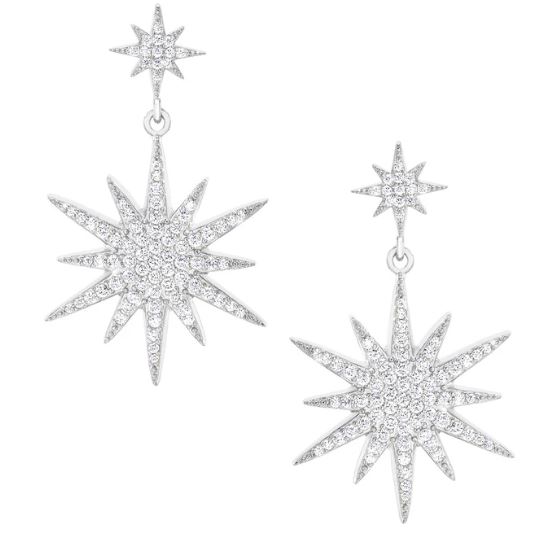
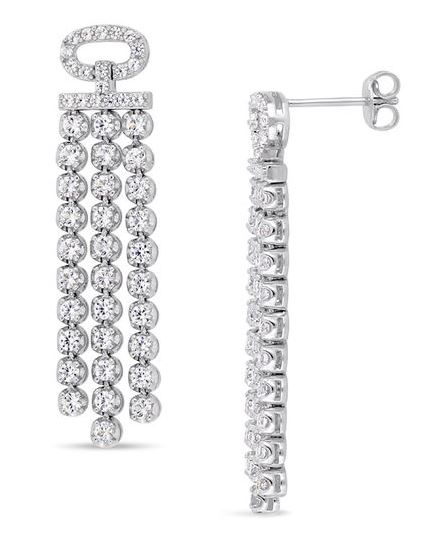
For your last quiz, I challenge you to rank the following pieces in order of least expensive to most expensive:
NO. 1
NO. 2
NO. 3
Here are some great online stores I’ve found for beautiful diamond-alternative jewelry:
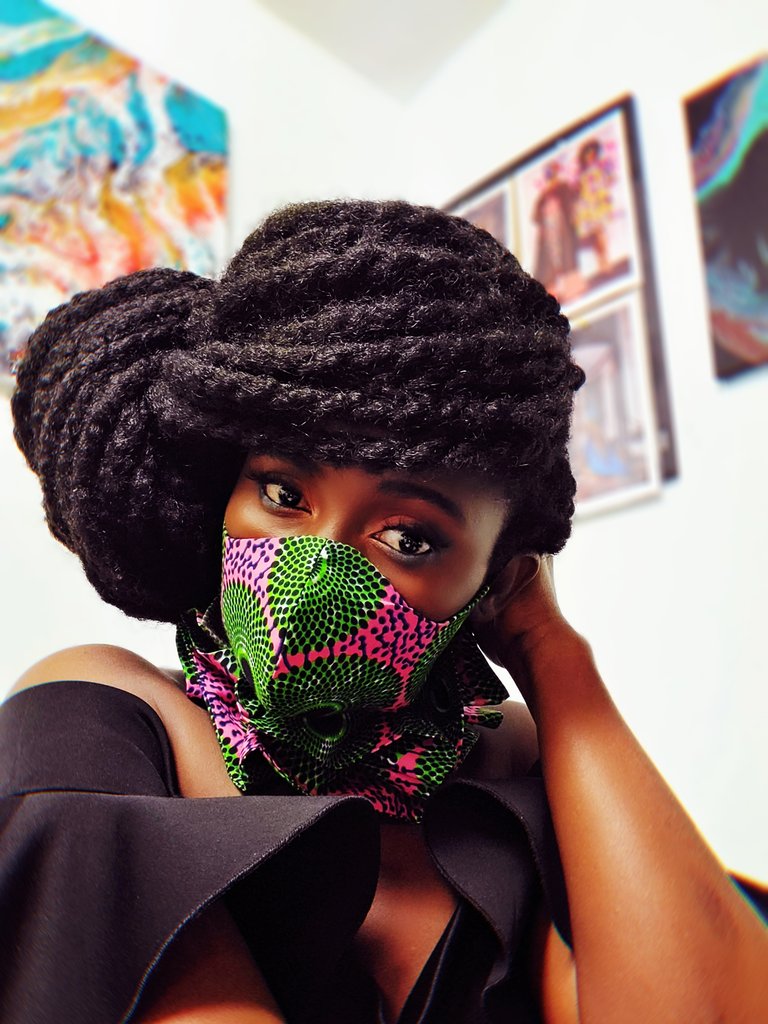
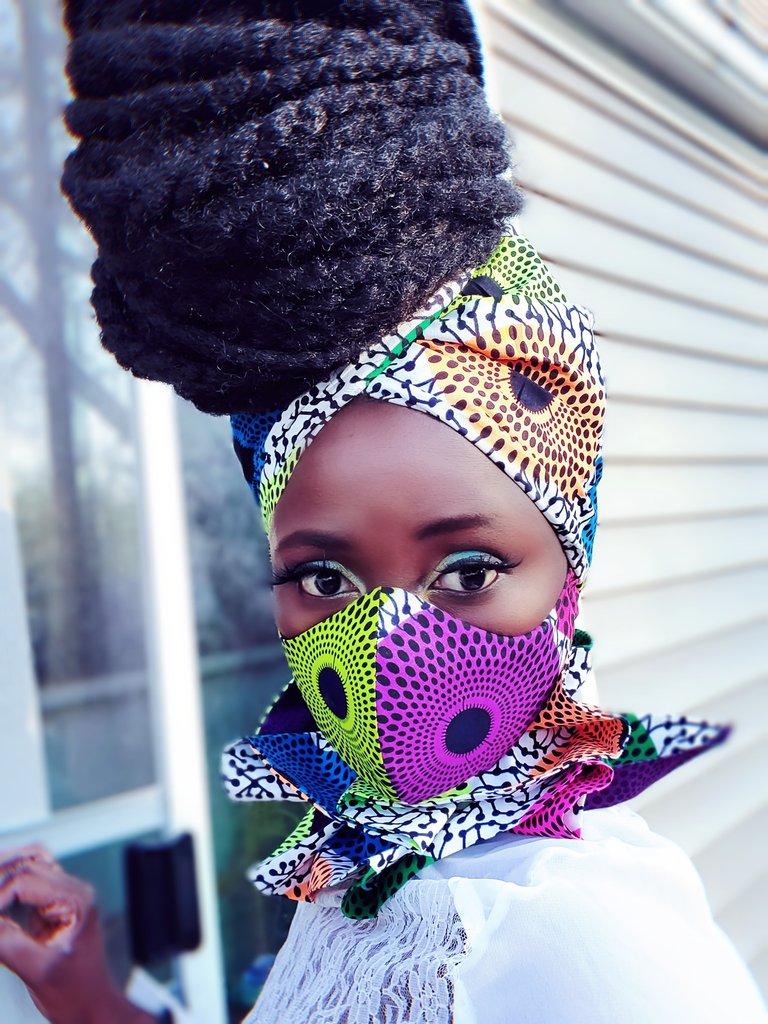
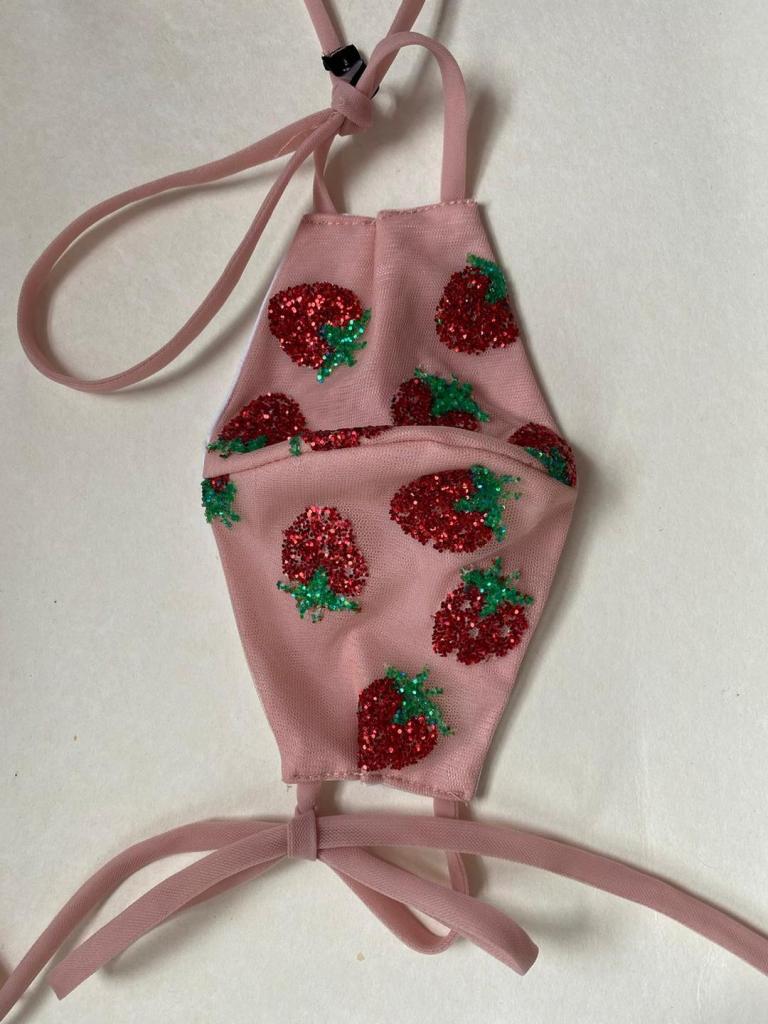
Without a doubt, the title for the hottest–and confoundingly, most divisive–accessory of 2020 goes to The Face Mask. Whether surgical or cloth, N-95 or homespun, above-the-nose or below-the-chin (please, cover your nose!), masks are EVERYWHERE.
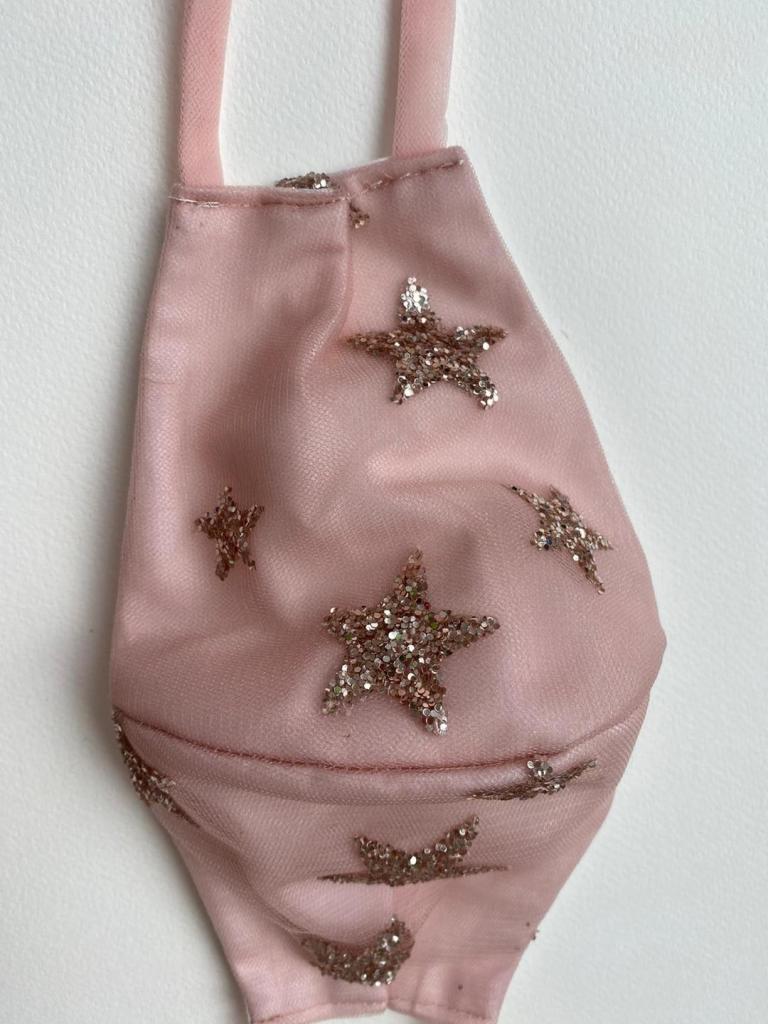
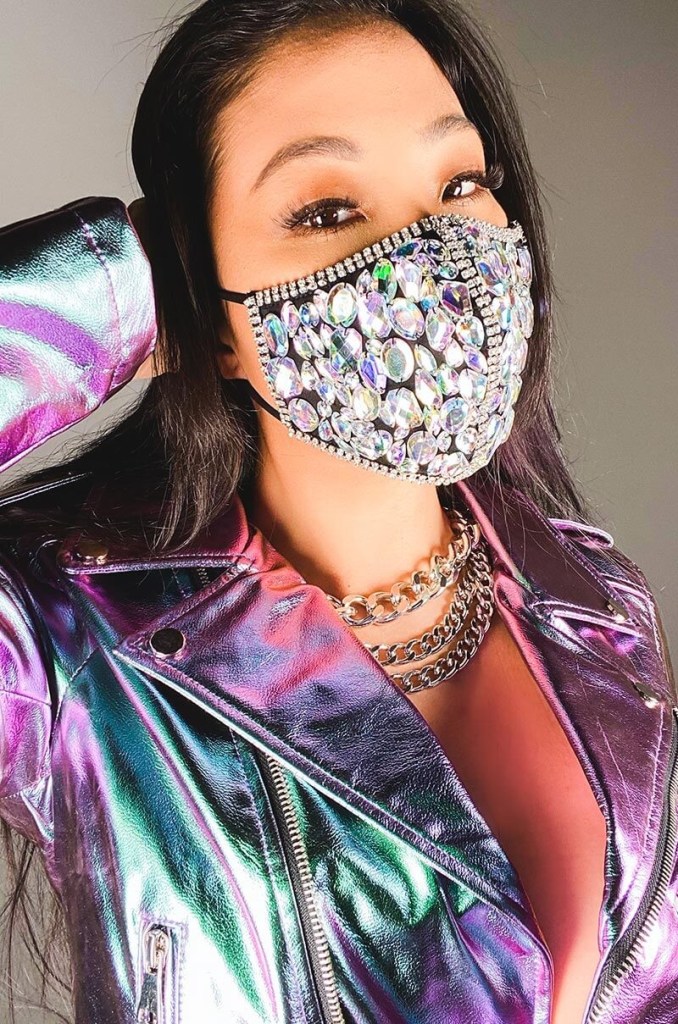
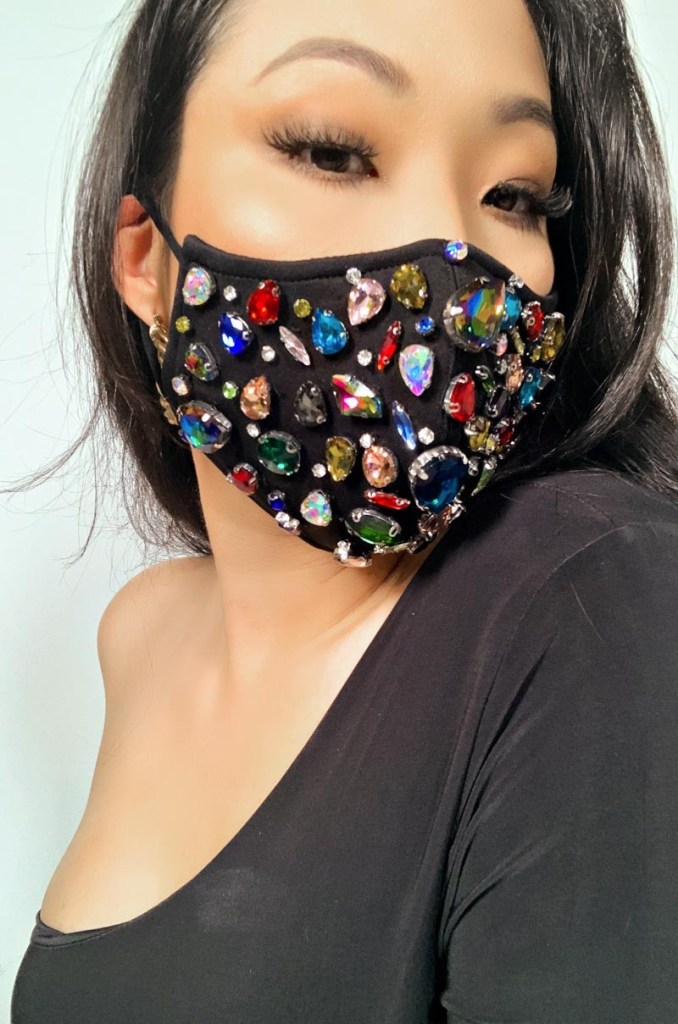
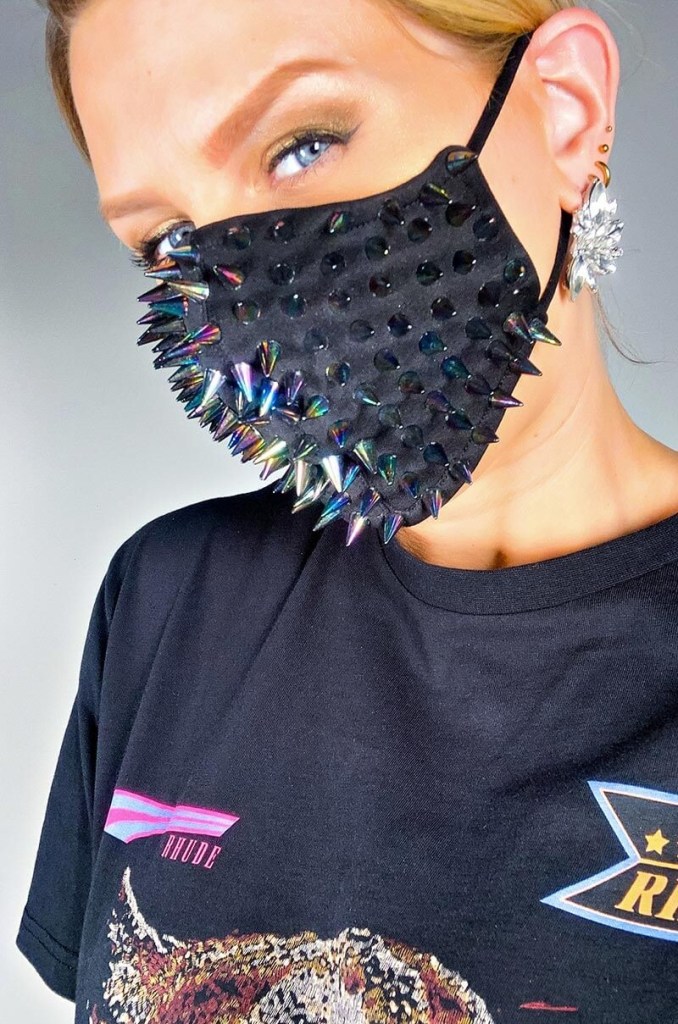
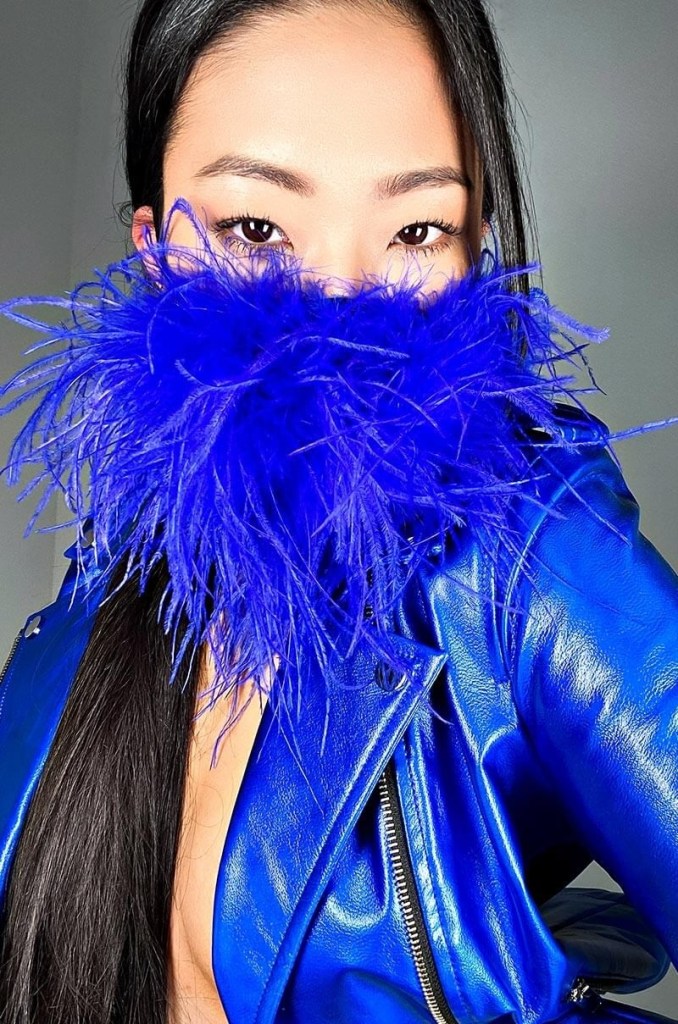
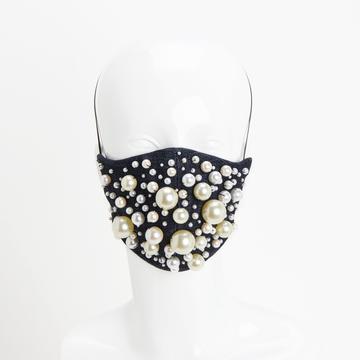
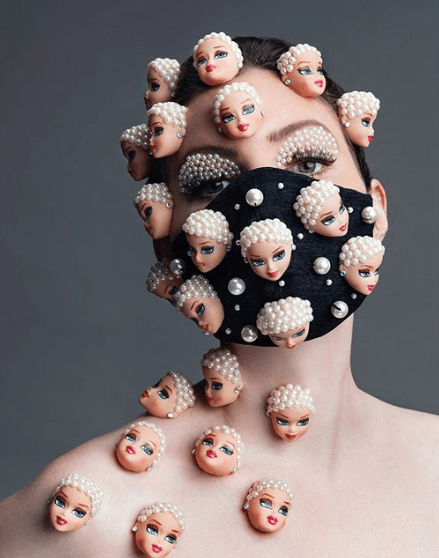
While not technically jewelry, the mask is the prolific pandemic accessory that is here to stay for the foreseeable future. Over time, more and more fashion companies have joined the ranks of mask-couturiers, resulting in approximately one million styles to choose from. Some are quite pretty, others are pretty wild, and a few are just…head-scratchers. Let’s review.
The Pretty
Some of the loveliest and reportedly most comfortable masks I’ve encountered are these assorted vintage floral beauties in cotton sateen from fashion house Johnny Was. A pack of five retails for just $25. I’ve recently given these as birthday gifts to two friends because there is no better way to say “I hope you stay healthy for another year” than with a pack of life-saving-yet-aesthetically-pleasing face coverings.
I appreciate that the spiked mask sends a strong “stay the eff away from me” vibe.
French costume designer Anne Sophie Cochevelou is selling fanciful bejeweled masks from her online store, in addition to regularly posting masterful themed masks on her Instagram:
Kindai University in Japan published instructions for making a 3D tuna mask cover:
And finally, if dark humor is your thing, check out this plague doctor face mask ($20) that is a nod to the physicians who treated victims of the bubonic plague:
As a real sign of the strange times in which we’re living, some kids in my neighborhood recently set up a “mask stand” in place of a lemonade stand on a hot summer day. This inspired my new motto of 2020: When life gives you lemons, wear a mask.
There are few human trinkets apart from jewelry that are so personal, so treasured that they are passed down from generation to generation, and worn through so many of our most impactful life experiences. For this reason, I fully believe that jewelry–especially heirloom jewelry–is capable of holding paranormal power.
I have several pieces in my collection with mysterious backstories that support this theory:
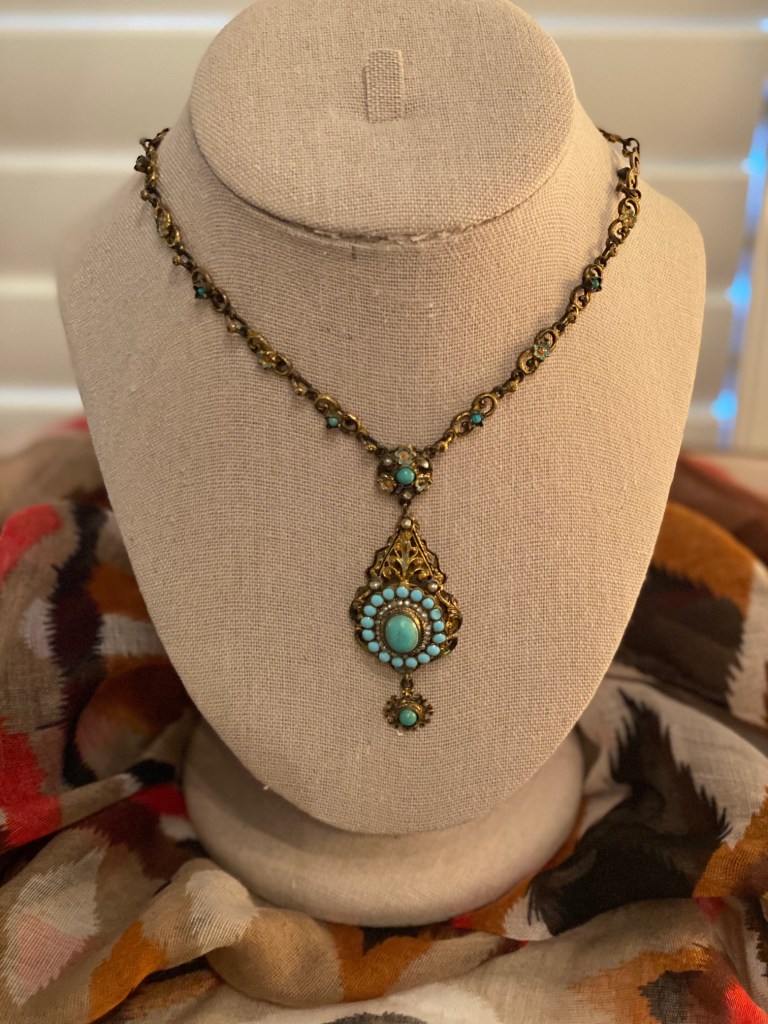
The Reappearing Necklace
On my parents’ first trip to Europe as a couple in the 1970s, my dad bought my mom a beautiful, ornate, antique gold and turquoise pendant. Many years later, she gifted it to me in its original silk-lined box. I stored it in a drawer in the closet of my apartment and rarely looked at it. One day, I remembered I had it and decided to wear it, but couldn’t find it anywhere. It wasn’t in the drawer where I last put it, and it wasn’t with my other necklaces. Frustrated, I abandoned the idea and picked something else. Hours later, I returned to my closet and the necklace was lying.in.the.middle.of.the.floor.in.plain.sight. I have chills even as I type this. To this day, I still can’t touch this necklace without getting a little spooked…
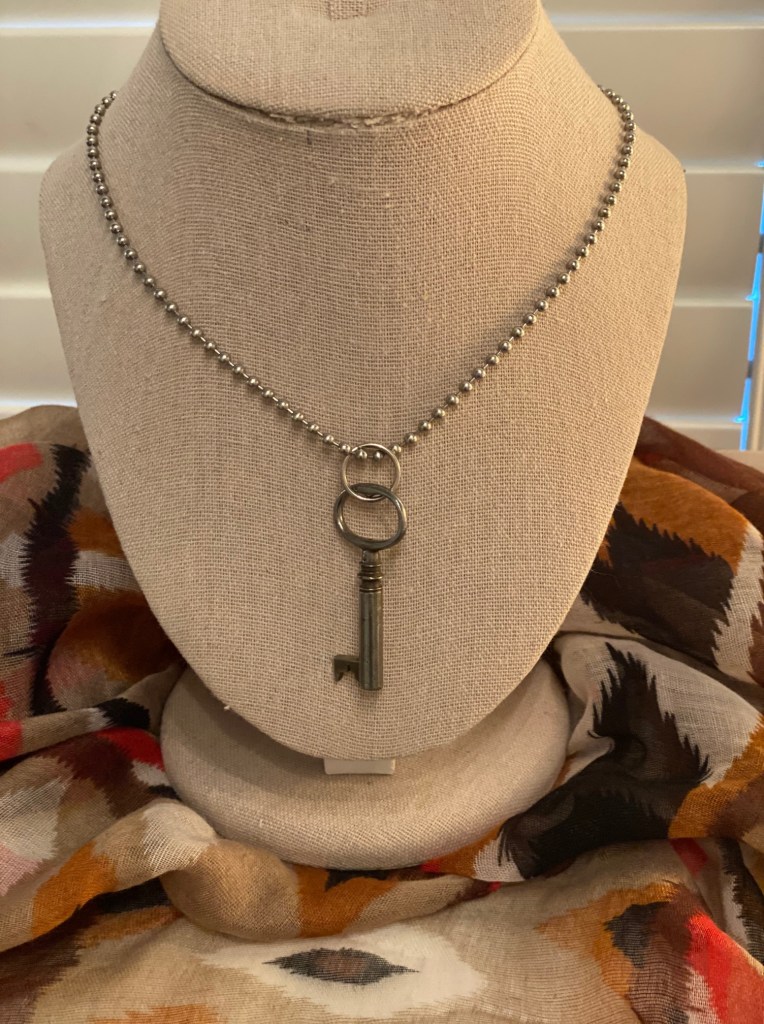
The Skeleton Key
My husband, Andy, and I bought our home six years ago. It was built in 1891 but has been through numerous owners and several major renovations since then. The first thing we did upon closing was rip out the existing kitchen. One day, we came to the house to inspect the progress of the demolition. As I was studying the future cabinet layout, my eye caught a glimpse of a small metal object wedged in the baseboard. It was an old skeleton key. It didn’t fit any of the existing doors in the house. For all we know, the lock it was meant for had been removed a hundred years earlier. I put the key on a ball chain to wear as a necklace, because to me it symbolizes the long and rich history of our home, and feels like an homage to all the owners who came before us. I don’t understand how it stayed wedged in that baseboard through so many renovations, unless it was meant to be mine.
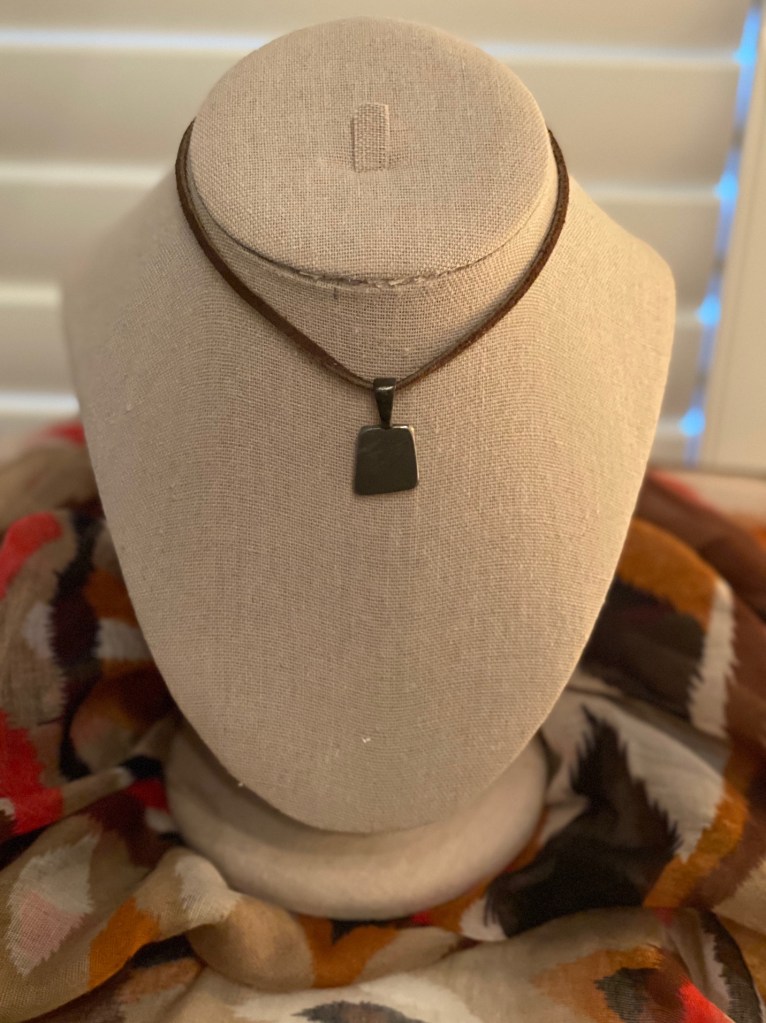
The Meteorite
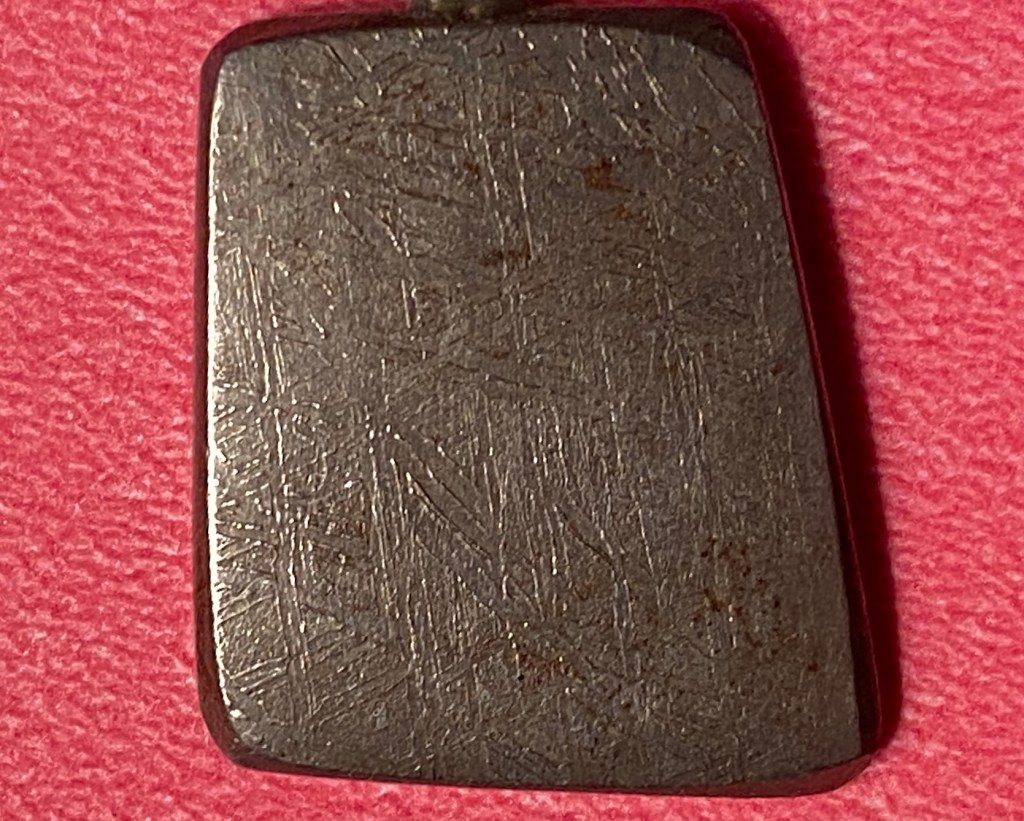
This one is more extraterrestrial than paranormal. This is an actual meteorite that fell to the earth from outer space. I purchased it from an absolutely magical paleontology / archaeology shop in Moab, Utah called the Moab Rock Shop. If you look closely, you can see the scratches on its surface from passing through the earth’s atmosphere. I remember when I was a kid watching my dad magnetize it with a battery. I slid it on a suede cord, which I can wrap as a choker or wear as a longer pendant. It’s pretty unreal to know you’re wearing an actual space rock around your neck!
Close-up of the scratches on the surface.
Further Reading
If you’re into creepy jewelry, check out this fascinating article about how Victorians made elaborate jewelry from their deceased relatives’ hair.
In times of great stress and change (hello, 2020!), I find it comforting to have a mantra at the ready that I can recite to myself to refocus my perspective and calm my anxiety. This technique works all the better when there’s a visual reminder of the mantra nearby for calming refreshers throughout the day.
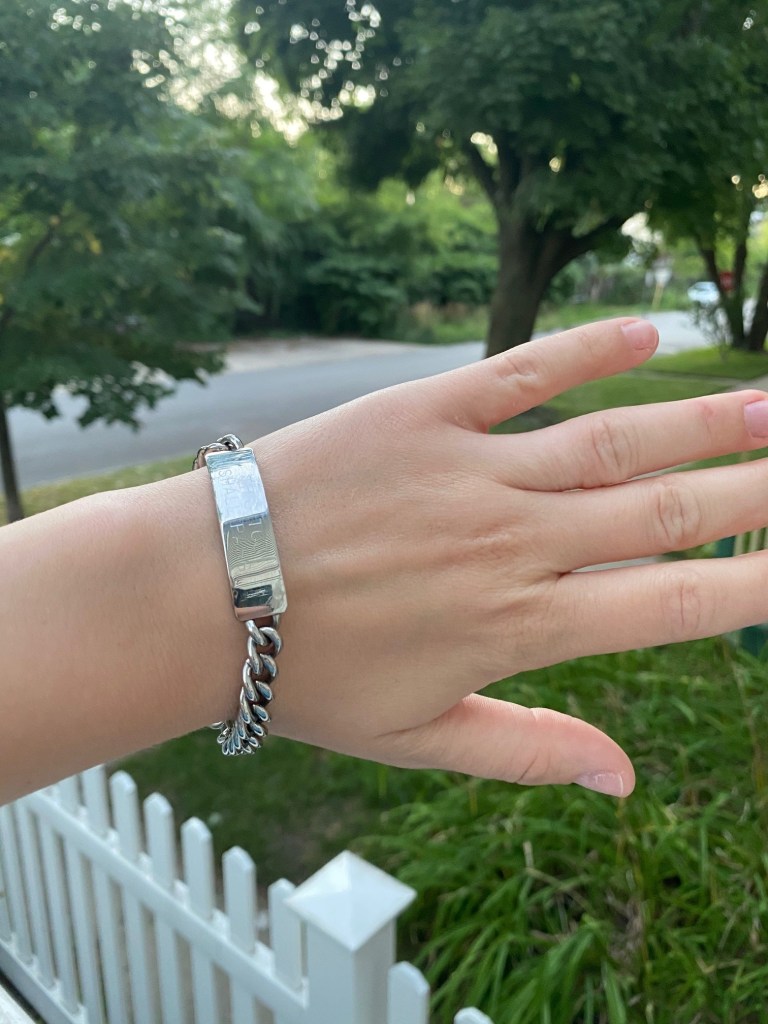
Hence this bracelet. To the casual observer, it looks unremarkable:
But it holds a secret. Engraved on its face are the words “THIS TOO SHALL PASS” in letters almost faint enough to be invisible:
I like to wear the message facing me so only I can read it.
We hear this adage recited often, but until a few years ago, I hadn’t known its origin. It comes from a fable, believed to have been written by a 13th century Persian poet, that tells of a king who challenged his wise advisers to devise a phrase that would make him happy when he was sad and sad when he was happy. The wise men answered the king’s challenge by giving him a ring etched with this phrase.
This mantra resonates with me deeply because it reminds me to never take the joyous moments of life for granted and, perhaps more importantly, not to dwell on the painful moments of life because time is fleeting and nothing is permanent.
I bought this bracelet for myself when my son was a few months old. Having a newborn is not easy given the lack of sleep, physical recovery from labor, and massive lifestyle change. In those early months, wearing this bracelet reminded me that my son wouldn’t be a baby forever and that life would return to a new “normal” soon.
Later, the mantra held new significance as I faced the difficult prospect of returning to work from maternity leave and, in classic human nature, mourned the days when my son was a newborn and I could spend all my time at home with him.
Now that my son is older (and has a sister!), I repeat this phrase as a reminder to cherish this special time when my kids are young and life is full of their messy wonderfulness. It won’t be long until they are teenagers who would rather be with their friends and no longer need me to put on their shoes for them or rock them to sleep.
My bracelet came from Fossil but is sold out. Similar styles that can be engraved with your own personal mantra are available here, here, and here.
You may not have realized that Yours Truly is a celebrity. Well, more accurately, a model. But not a fashion model. A hand model. And not currently. About 20 years ago. And only for one job. But still. You know what they say: Once a Hand Model, Always a Hand Model.
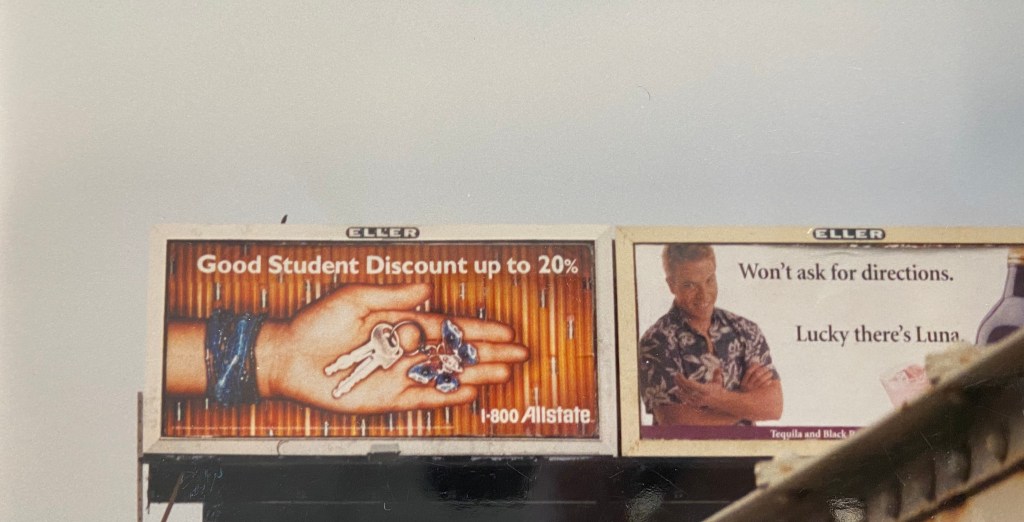
It’s true. When I was a freshman in high school, I landed a gig as a hand model for an Allstate ad campaign. They were looking for someone with “youthful hands” to sell the Good Student Discount, and mine fit the bill. What does this have to do with jewelry, you ask?
Well, in the ad, I’m wearing a stack of stretchy beaded bracelets (see exemplary billboard below):
This is my favorite fact to use in the “Two Truths and a Lie” game because no one ever guesses this is true.
I’m sure you have lots of questions. Here are some of the FAQs I receive:
Q: Did you get to keep the bracelets or keychain?
A: No.
Q: How much did you get paid?
A: About $1,000, before tax.
Q: How did you get the job?
A: A friend’s mom was a talent agent. She put the word out among my friend group that we should apply if interested. I can’t remember if any of my friends also auditioned. But if they did, they obviously didn’t have the winning look.
Q: What was it like to be on set?
A: I remember spending most of the day in a studio leaning over a table with my arm outstretched under hot, bright lights. There was no fancy green room or catering truck. It was not glamorous. But they did pay for me to get a manicure the night before.
I found this 2017 Mental Floss article that reveals “10 Behind-the-Scenes Secrets of Hand Models.” The article shares insider information from Ashly Covington, “one of the top hand models in the industry,” whose hands you’ve almost certainly seen in numerous ads over the years. Some of the article’s more interesting tidbits are:
Successful hand models can make upwards of $75,000 per year. Covington once made $13,000 for two hours of work.
Often when you see celebrities’ or fashion models’ hands in ads, the hands actually belong to a hidden hand model.
Hand models do finger exercises to gain advanced muscle control over individual fingers.
To avoid injuring their hands and breaking their nails, hand models wear gloves when they’re not working.
To learn more, check out Covington’s website and portfolio here and study these tips on how to become a professional hand model.
Here are some examples of Covington’s best work involving fine jewelry:
Look at those long, perfect fingers!
As I understand it, these are Ashly’s hands on a different model’s face.
Breathtaking.
The harsh reality is that not everyone (every hand?) has what it takes to be a professional model. As one of the lucky few beautiful-handed people in this world, the privilege is not lost on me. 🙂
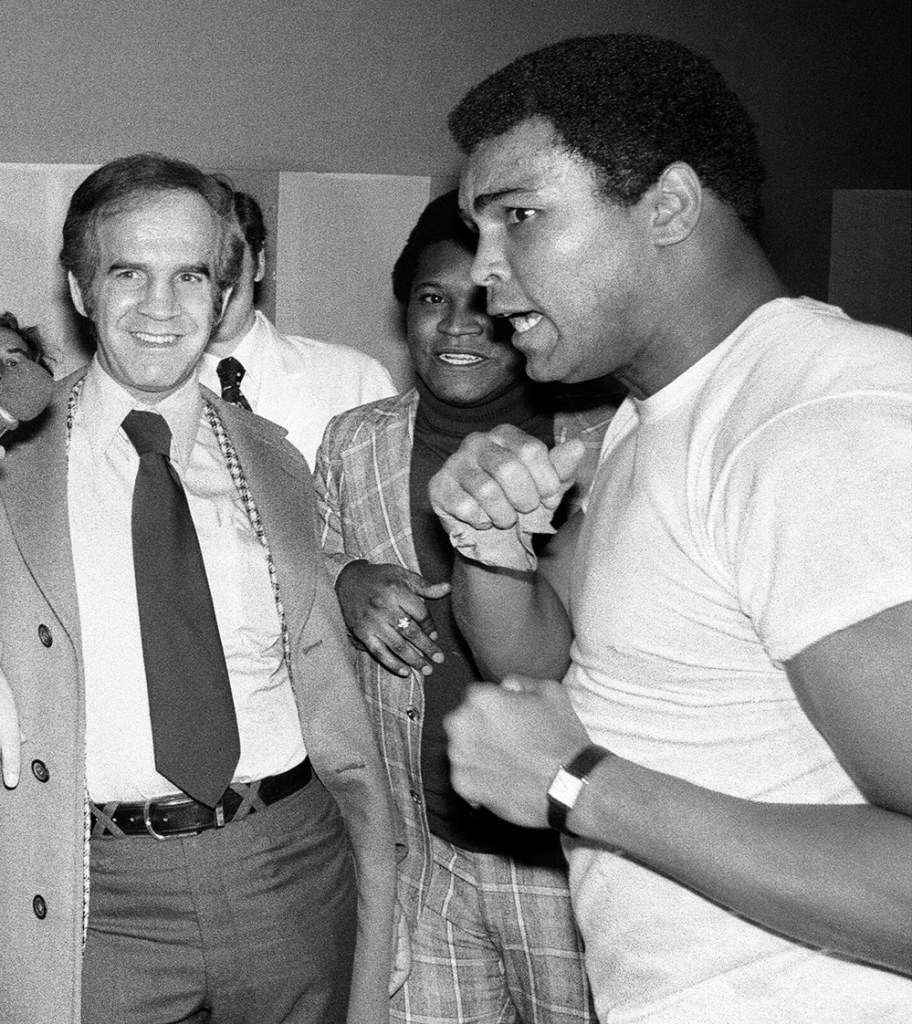
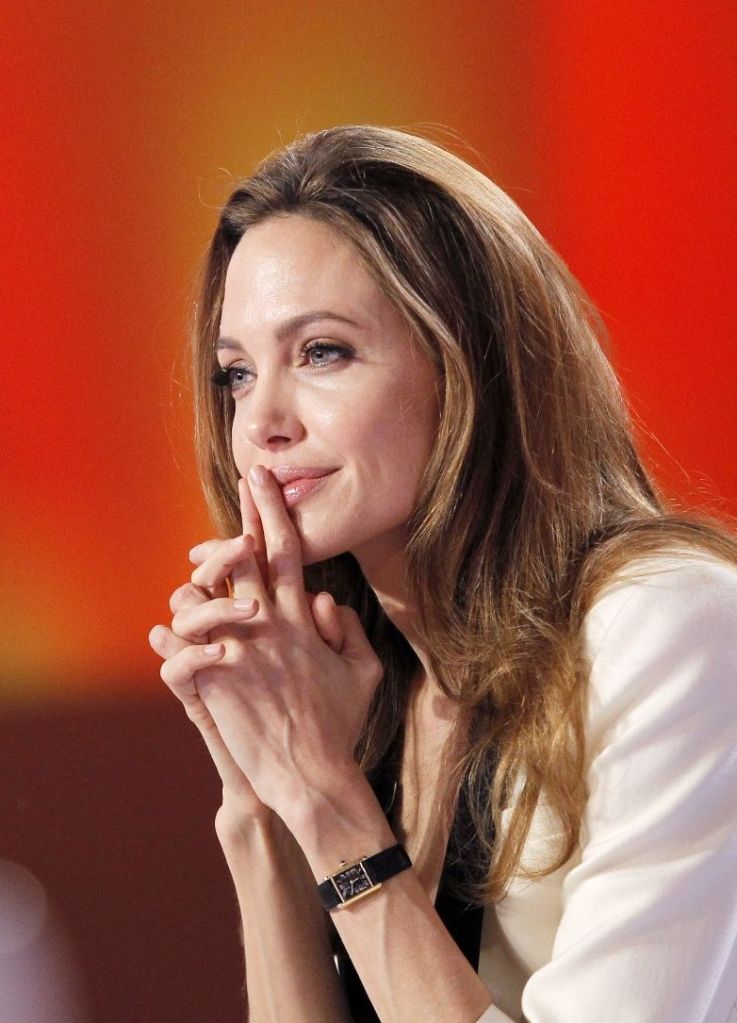
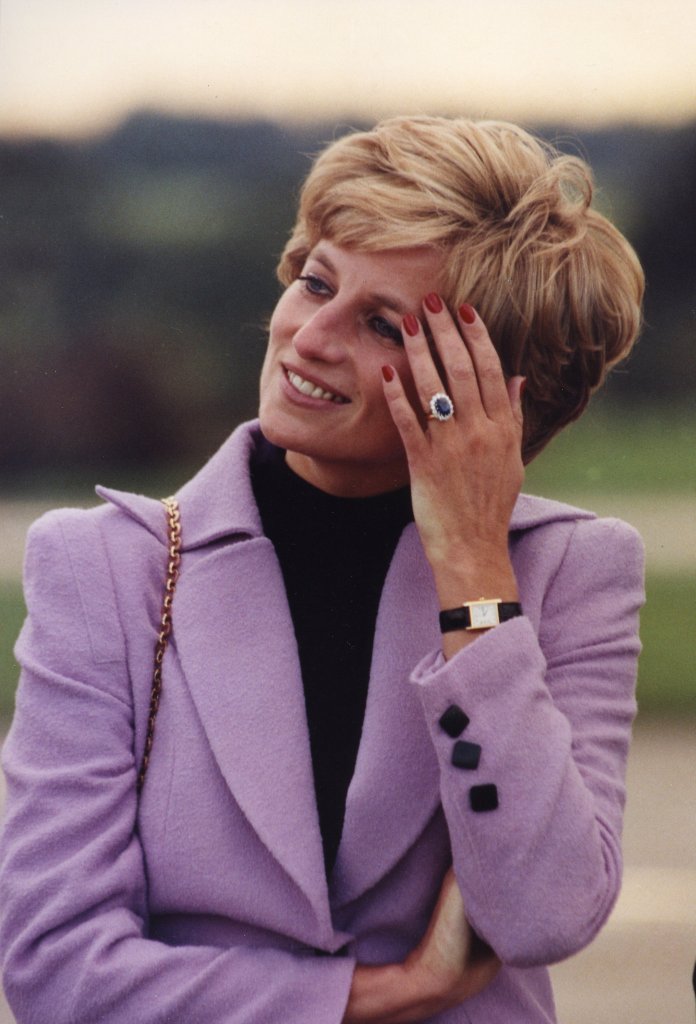
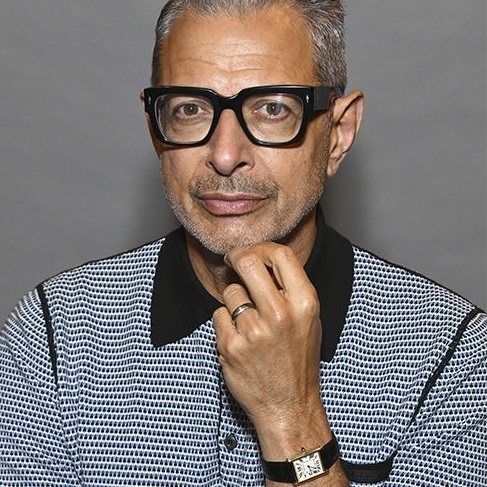
The Cartier Tank watch is a classic. An icon. A symbol of luxury, sophistication, and elegance. A favorite among celebrities and royals.
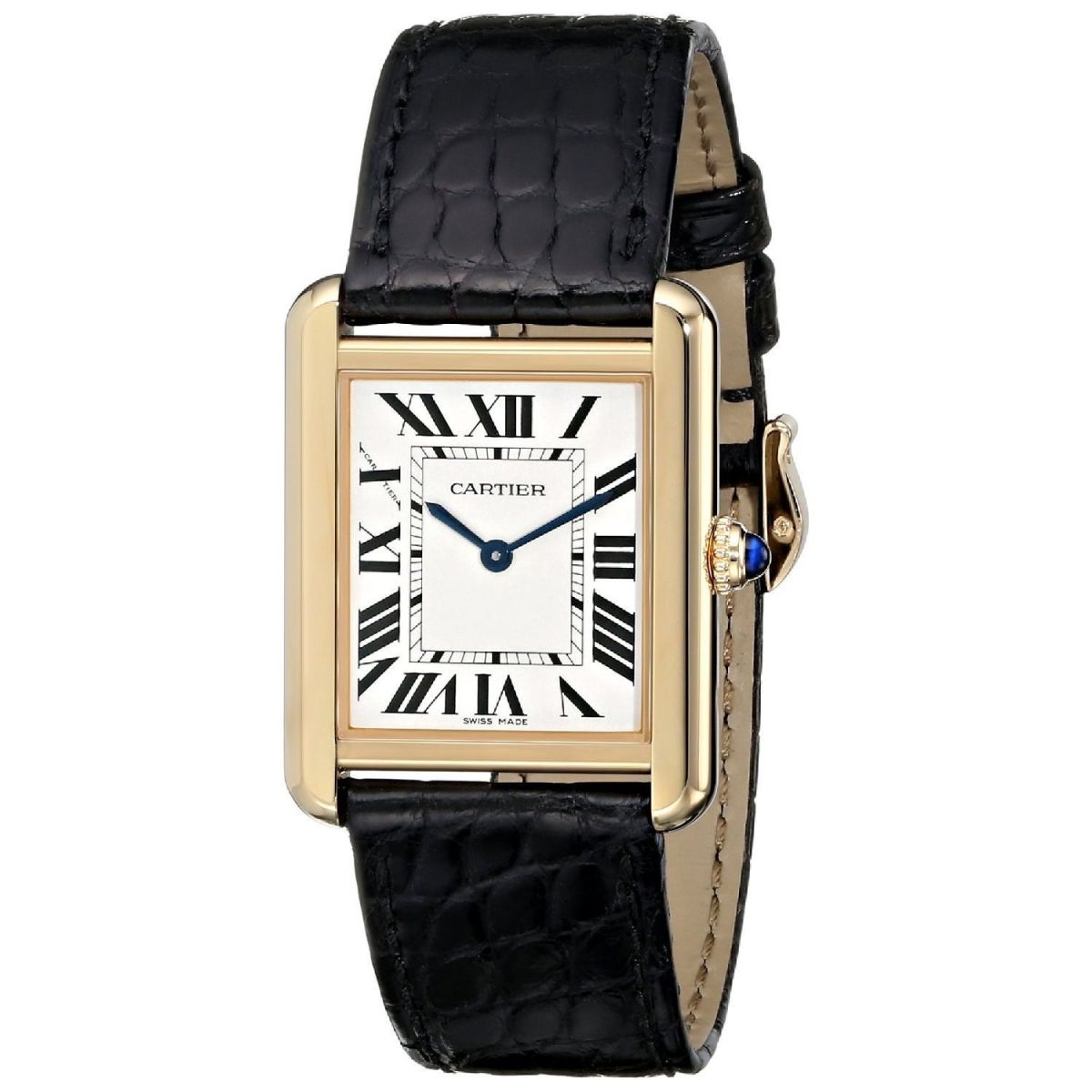
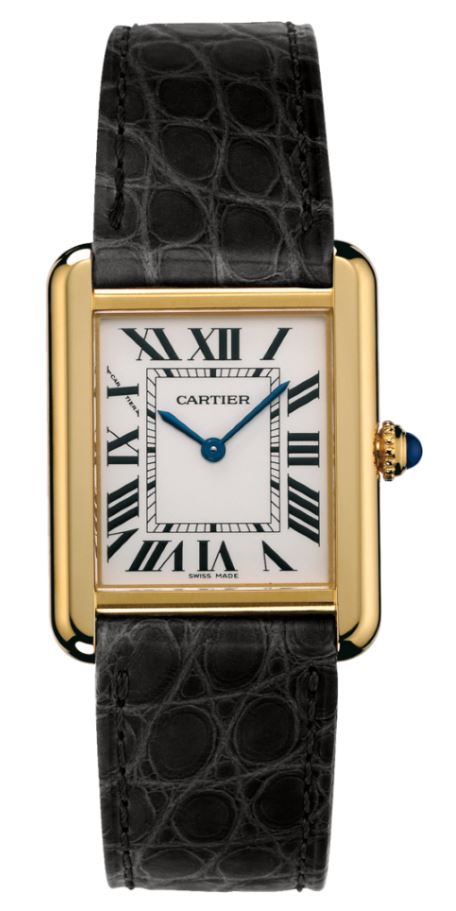
According to this fascinating New York Times article, the Cartier Tank (example pictured below) celebrated its 100th birthday in 2017. “Images of World War I inspired the Tank’s design. From the wearer’s viewpoint, looking down at the watch on the wrist, the case resembles a tank’s cockpit while the brancards, the vertical bars that run along each side of the case, recall a tank’s treads.”
This style retails for $4,600, but there are other models that sell for upwards of $30,000.
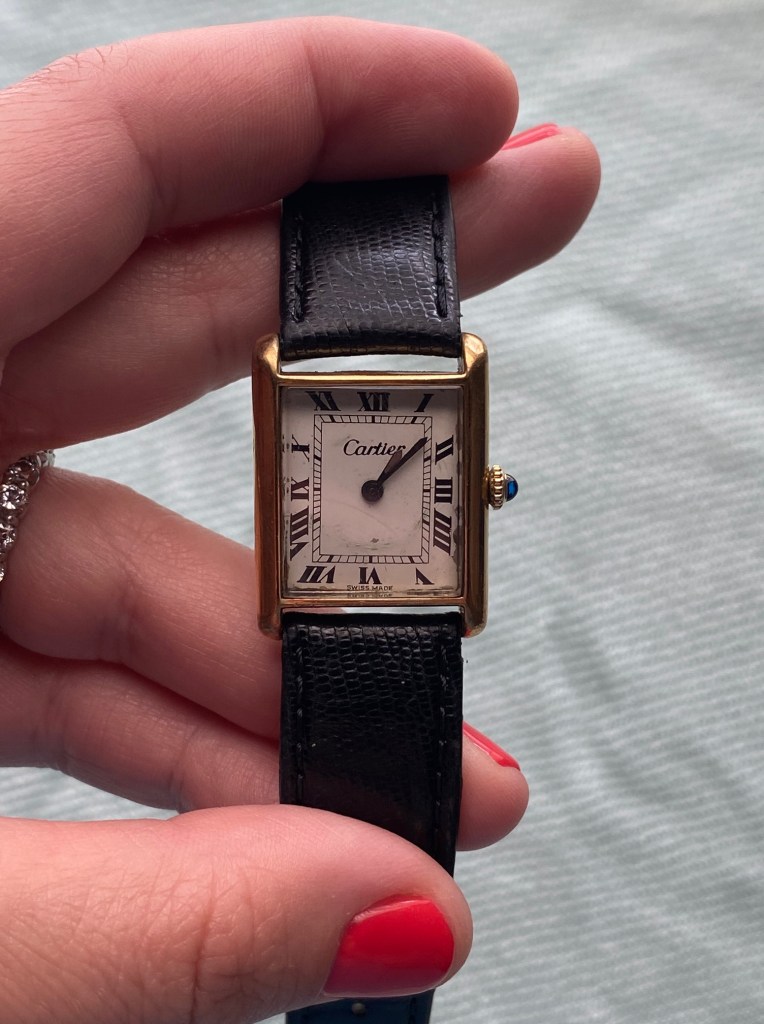
My grandparents retired to a senior community in Miami Beach, Florida in the 1970s. When my dad was visiting them many years ago, he found this women’s Cartier Tank, with a gold case and black leather strap, lying in the middle of a desolate sidewalk, baking in the sun, and brought it home:
The watch became mine a few years ago after I kept pestering my dad about it (and after I convinced him that it was, indeed, a ladies’ watch). By the time I took possession, the winding mechanism had died following decades of non-use. So I took the watch to my favorite local repair shop for fixing.
I recounted the story of my dad finding the watch to the repairman, and explained that we had no idea if it’s a real Cartier or not. He took a seat at his workman’s table, strapped on his magnifying headgear, bent his head, and set out to investigate.
Twenty or so minutes passed as I waited with baited breath. When he returned, he let out a sigh and said, “Well, it’s not a real Cartier, but it is one of the best fakes I’ve ever seen. And in any case, it’s a really well-made Swiss watch.”
So there you have it. I don’t wear it often, maybe because I know it’s a knockoff (and now notice all its flaws, like the fact that the face is just ever so slightly askew), or more likely because it requires regular winding and that just feels too labor intensive.
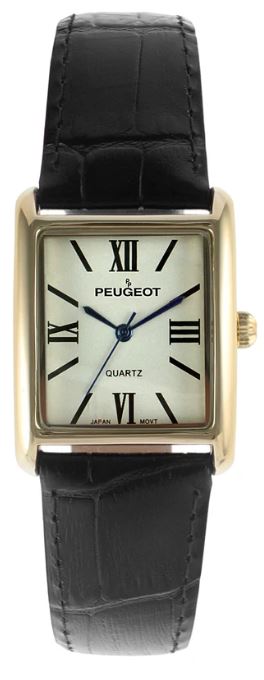
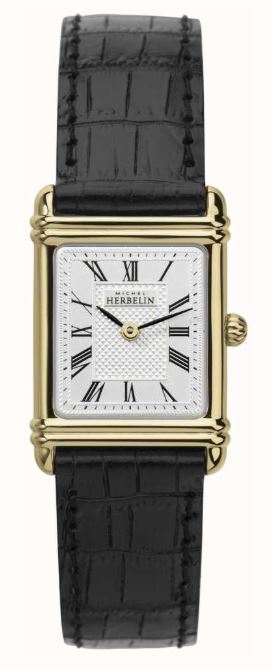
There are lots of beautiful watches on the market that don’t purport to be real Cartier but have a similar look to my imposter (or shall I say, imposteur) at reasonable price points:












































 Fruit of Jewels